Rising Tensions: The Escalation of Conflict Between Israel, Hezbollah, and Iran
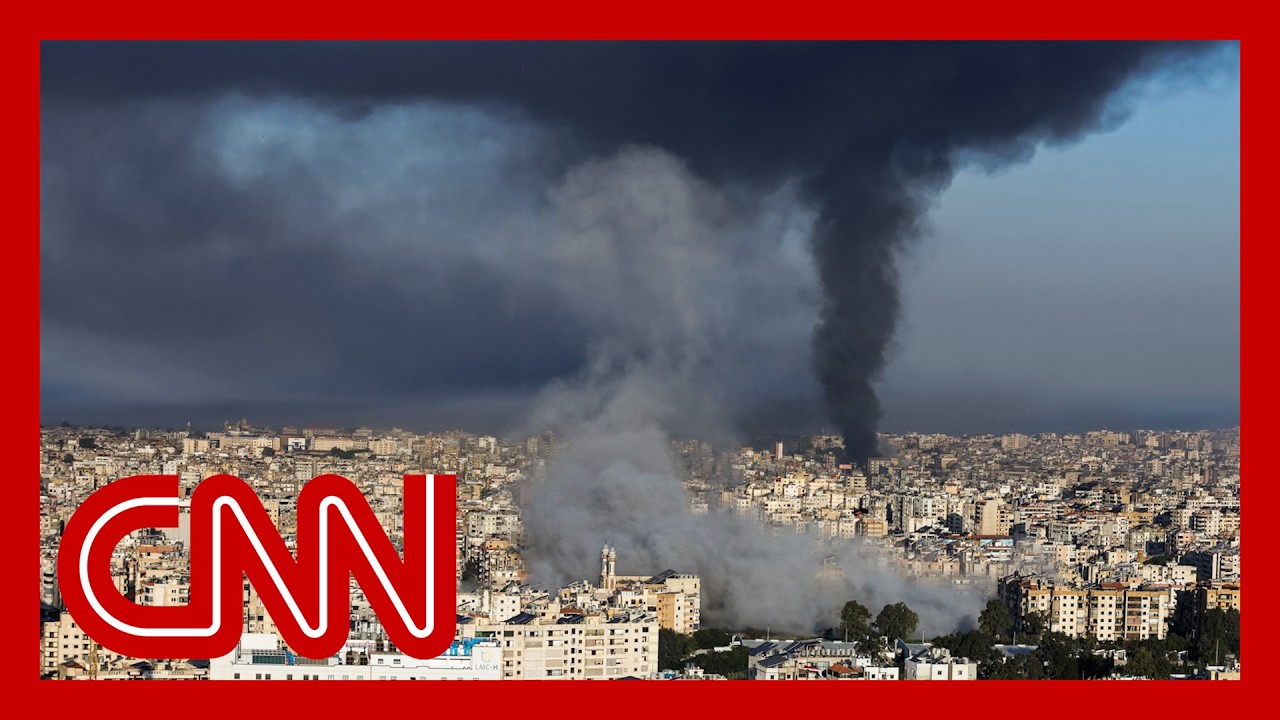
In the heart of the Middle East, a new chapter of conflict unfolds as Hezbollah, the Iranian-backed militia, has launched attacks against Israel, prompting a swift and extensive response. Israel has intensified its aerial bombardment of Lebanon, targeting areas associated with Hezbollah. The blasts reverberating through Beirut serve as a grim reminder of the escalating hostilities, marking a significant uptick in violence that threatens to engulf the region in chaos.
Reports from Lebanon indicate that the past 36 hours have witnessed intense Israeli airstrikes, particularly in the southern suburbs of Beirut, a known stronghold of Hezbollah. The Lebanese government has reported a devastating toll, with more than 50 lives lost and upwards of 150 injuries. As a result of the bombardment, thousands of residents have fled their homes, seeking refuge in Beirut and other areas deemed safer.
Against this backdrop of violence, the Lebanese government has expressed its growing alarm over Hezbollah’s actions. The government finds itself in an increasingly precarious position, attempting to distance itself from Hezbollah’s military provocations while fearing the consequences of a broader confrontation. In a notable move, the Lebanese authorities have formally outlawed Hezbollah’s military activities, which, although largely symbolic, risks inflaming existing tensions between the militia and the Lebanese army. The government’s condemnation reflects not only political maneuvering but an urgent desire to prevent Lebanon from being dragged deeper into a conflict that many hoped to avoid.
Israeli Prime Minister Benjamin Netanyahu has made it clear that his government views the situation as a moment to decisively target what he describes as a "terror regime." Speaking to media outlets, Netanyahu asserted that the conflict would not become an "endless war." Instead, he promised a swift and groundbreaking military operation aimed at dismantling Hezbollah’s capabilities while also sending a broader message to Iran.
The conflict has quickly expanded beyond Lebanon as Israeli forces have intensified their operations not just in Beirut but in Tehran as well. Israeli Defense Forces assert that they have struck at the heart of Iran’s military infrastructure, targeting key installations of the Islamic Revolutionary Guard Corps. This multifaceted approach signals a strategic shift, illustrating how interconnected the regional tensions have become.
While Israel is engaged on multiple fronts, the U.S. has not remained passive. President Donald Trump hinted at a significant military response directed at Iran, underlining America’s continued commitment to its regional allies. The State Department has also acknowledged the challenges faced by American citizens wishing to leave the Middle East, reflecting the heightened state of alert.
Tensions are not confined to borders. Iranian retaliatory measures have sparked explosions at various international locations, including the U.S. Embassy in Riyadh and oil facilities in Oman. The series of attacks underscores Iran’s determination to leverage its remaining military capabilities in retaliating against perceived threats, amplifying the dangers present throughout the Gulf and broader geopolitical landscape.
As the conflict escalates, Israel’s northern border grows increasingly unstable. The Israeli military has reported seizing key positions along the Lebanon-Israel border, further tightening the grip on Hezbollah’s operations. The implications of this tactical repositioning are substantial, representing a long-sought opportunity for Israel to confront Hezbollah amid the shifting balance of power.
There remains uncertainty regarding the duration and intensity of this renewed conflict. Netanyahu’s emphasis on regime change in Tehran and the aspiration for a more sympathetic government reveal an ambitious, yet risky, long-term strategy. However, the dynamic nature of the conflict poses serious questions about Hezbollah’s resilience and capacity to respond.
In conclusion, the situation in Lebanon and the broader region remains precarious. The violent exchange of strikes illustrates how rapidly conflicts can escalate and engulf entire nations. As the international community watches closely, the need for diplomatic engagement has never been more urgent. The stakes are high, and the path to de-escalation is fraught with challenges. Each move made by the involved parties will have far-reaching consequences, shaping the future of the Middle East for years to come.